Transform. Innovate. Be AI-Ready.
Data Governance | MDM | Data Quality | Metadata


Here are today's top AI-related articles:
Source: Guardian
Summary: Researchers have successfully used artificial intelligence to predict the distinct aromas of US and Scottish whiskies by analyzing the molecular makeup of the drinks. The AI algorithm outperformed human experts in identifying the five strongest notes in each whisky, marking a significant advancement towards automated systems that can assess and ensure consistency in whisky production.

Source: Guardian
Summary: UK arts and media groups have rejected a proposal by the Labour government to create a copyright exemption for AI companies to train their algorithms using copyrighted material. Writers, publishers, musicians, photographers, movie producers, and newspapers argue that existing copyright laws must be respected and have expressed concerns over the proposed plan.

Source: Guardian
Summary: Chinese AI chip firms, Moore Threads and Biren Technology, which are under US export restrictions due to concerns over their development of chips for military purposes, have accessed advanced UK technology through their licenses with Imagination Technologies. These firms are known for designing AI chips that can be used in weapons systems, raising national security concerns.

Source: Verge
Summary: Google has introduced a new AI model called Gemini 2.0 Flash Thinking, which aims to provide insight into its decision-making process. The model is trained to use thoughts to enhance reasoning and is showcased solving complex problems by breaking them down into smaller tasks. This development is seen as a significant advancement in AI reasoning capabilities and is positioned to compete with OpenAI's o1 reasoning model.
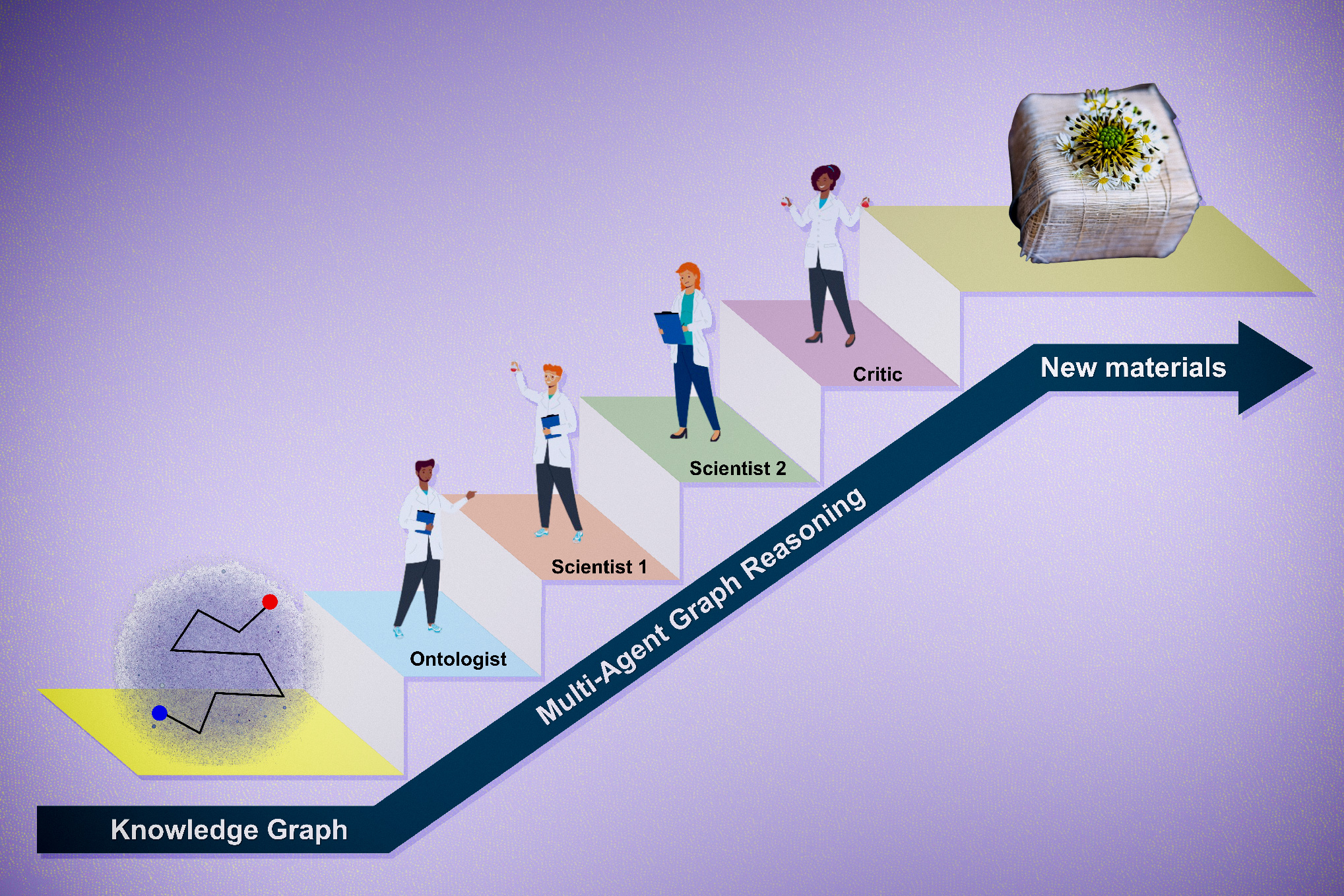
Source: MIT
Summary: MIT engineers have developed AI frameworks that can generate evidence-driven hypotheses to advance biologically inspired materials. This development is significant as it showcases the potential of AI in aiding scientific research and innovation.

Source: Gizmodo
Summary: An Arizona school will be implementing a curriculum taught by AI with no teachers involved. The curriculum will consist of a two-hour per day academic program set by artificial intelligence.

Source: Wired
Summary: Botto, a decentralized AI artist, known for creating artwork that has sold for millions, is being developed to have a more distinct personality. The creators of Botto are exploring the idea of giving it less restrictions to allow its personality to further evolve as AI technology advances.

Source: ArsTechnica
Summary: OpenAI's launch of a 1-800 voice service, allowing any US caller to interact with ChatGPT over the phone without needing a smartphone, is a significant development in making AI more accessible and user-friendly. This service expands the reach of AI assistants to a broader audience and showcases advancements in AI-powered voice technology.

Source: TechRadar
Summary: Apple is reportedly working on developing a server chip to enhance its AI capabilities, which may result in foregoing its fastest chip. This move signifies Apple's strategic focus on bolstering its AI infrastructure in-house.

Source: MIT
Summary: MIT engineers have developed a new electronic stacking technique that could significantly boost the number of transistors on chips, leading to more efficient AI hardware. This advancement in "high-rise" 3D chips has the potential to revolutionize AI computing capabilities by increasing processing power and efficiency.
This digest was automatically generated by the RSS News Gatherer with AI-powered summaries.